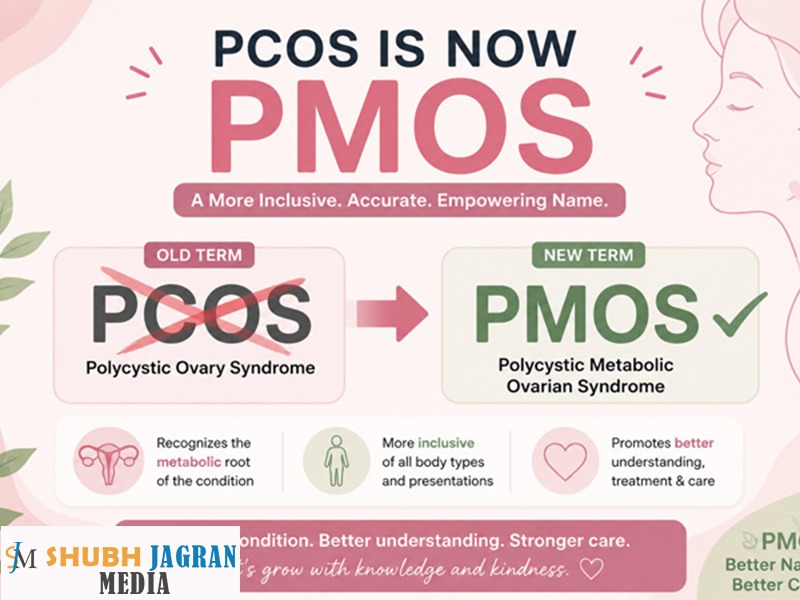
For years, millions of women were diagnosed with PCOS (Polycystic Ovary Syndrome). In 2026, international experts announced that PCOS will be renamed PMOS (Polyendocrine Metabolic Ovarian Syndrome) to better reflect what this condition actually is: a whole-body hormonal and metabolic disorder, not just an issue with the ovaries.
This article explains everything you need to know about PCOS and PMOS, including symptoms, causes, diagnosis, treatment, fertility, and lifestyle management.
What Is PCOS?
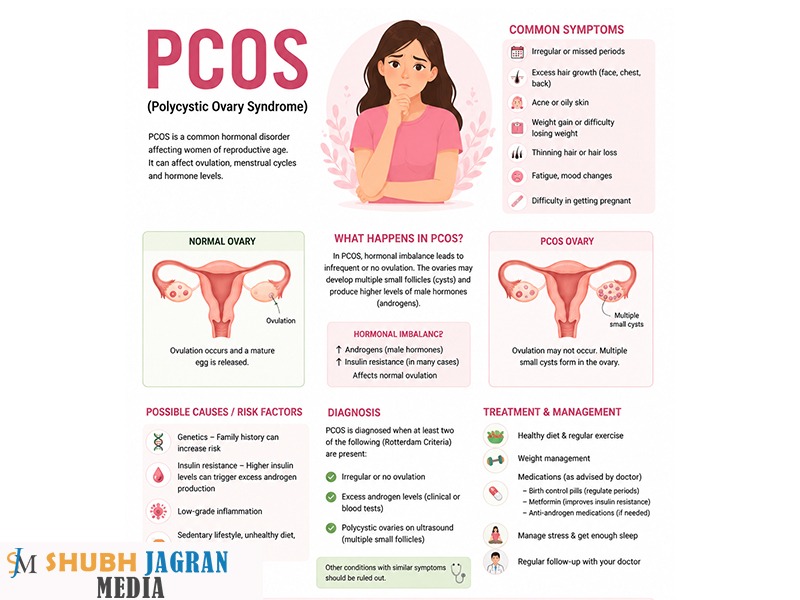
Polycystic Ovary Syndrome is a common hormonal condition that affects women of reproductive age.
It can cause:
- Irregular periods
- Acne
- Weight gain
- Excess facial or body hair
- Hair thinning
- Difficulty getting pregnant
PCOS affects approximately 1 in 8 women worldwide.
What Is PMOS?
Polyendocrine Metabolic Ovarian Syndrome is the new medical term for PCOS.
Full Form of PMOS
- P – Poly (multiple)
- E – Endocrine (hormonal system)
- M – Metabolic (insulin, blood sugar, weight)
- O – Ovarian (ovaries)
- S – Syndrome
PMOS highlights that this condition affects:
- Hormones
- Metabolism
- Ovaries
- Skin
- Mental health
- Fertility
Why Was PCOS Renamed to PMOS?
The old name “PCOS” was misleading because:
- Many women with PCOS do not have ovarian cysts.
- The condition affects much more than the ovaries.
- It increases the risk of diabetes and heart disease.
- The name often delayed diagnosis and treatment.
The new name better reflects the condition’s endocrine and metabolic nature.
PCOS vs PMOS
| Feature | PCOS | PMOS |
| Meaning | Polycystic Ovary Syndrome | Polyendocrine Metabolic Ovarian Syndrome |
| Focus | Ovaries | Whole-body hormonal and metabolic disorder |
| Official Use | Previous term | New term introduced in 2026 |
| Symptoms | Same | Same |
| Treatment | Same | Same |
Important: Only the name changed. The condition, diagnosis, and treatment remain largely the same.
Common Symptoms of PCOS/PMOS
Menstrual Symptoms
- Irregular periods
- Missed periods
- Heavy bleeding
Skin and Hair Symptoms
- Acne
- Oily skin
- Excess facial hair
- Hair thinning
Metabolic Symptoms
- Weight gain
- Difficulty losing weight
- Sugar cravings
- Fatigue
Fertility Symptoms
- Irregular ovulation
- Difficulty conceiving
Mental Health Symptoms
- Anxiety
- Depression
- Mood swings
Causes of PCOS/PMOS
The exact cause is unknown, but major factors include:
1. Insulin Resistance
Cells do not respond properly to insulin, causing higher insulin levels and increased androgen production.
2. Hormonal Imbalance
Elevated androgens (male hormones) interfere with ovulation.
3. Genetics
PCOS often runs in families.
4. Chronic Inflammation
Low-grade inflammation may worsen insulin resistance and hormone imbalance.
Risk Factors
- Family history of PCOS
- Obesity
- Sedentary lifestyle
- Poor diet
- Insulin resistance
How PCOS/PMOS Is Diagnosed
Doctors commonly use the Rotterdam criteria. Diagnosis usually requires two of the following:
- Irregular or absent ovulation
- Elevated androgen levels
- Polycystic ovaries on ultrasound
Common Tests
- Ultrasound
- Testosterone
- LH and FSH
- Thyroid profile
- Prolactin
- Fasting insulin
- HbA1c
Long-Term Health Risks
If untreated, PMOS may increase the risk of:
- Type 2 Diabetes
- Fatty Liver Disease
- High cholesterol
- High blood pressure
- Heart Disease
- Sleep apnea
- Endometrial hyperplasia
Treatment Options for PCOS/PMOS
There is no permanent cure, but symptoms can be effectively managed.
Lifestyle Changes
- Weight loss (even 5–10% can help)
- Balanced diet
- Exercise
- Stress reduction
- Better sleep
Medications
- Metformin
- Oral contraceptive pills
- Spironolactone
- Fertility medications such as Letrozole
Best Diet for PCOS/PMOS
Focus on:
- High-protein foods
- Fiber-rich vegetables
- Whole grains
- Healthy fats
- Low glycemic index carbohydrates
Avoid or limit:
- Sugary drinks
- Refined flour
- Processed foods
Exercise Recommendations
- Walking
- Strength training
- Yoga
- HIIT (if suitable)
Aim for at least 150 minutes of moderate exercise per week.
PCOS/PMOS and Fertility
Many women with PCOS/PMOS conceive naturally or with treatment.
Helpful strategies include:
- Weight management
- Ovulation tracking
- Letrozole
- IVF when needed
Can Lean Women Have PCOS?
Yes. “Lean PCOS” occurs in women with normal body weight but similar hormonal and ovulatory issues.
Mental Health Impact
PCOS/PMOS can affect self-esteem and mood due to:
- Acne
- Hair growth
- Weight changes
- Fertility challenges
Support from healthcare professionals, counselors, and support groups can be valuable.
Is PCOS Curable?
PCOS/PMOS is a chronic condition. While it may not be permanently cured, symptoms can be controlled very effectively with the right approach.
When to See a Doctor
Consult a gynecologist or endocrinologist if you have:
- Irregular periods
- Excess hair growth
- Persistent acne
- Difficulty getting pregnant
- Unexplained weight gain
Frequently Asked Questions
Q. Is PMOS different from PCOS?
No. PMOS is the new name for the same condition.
Q. Does every woman with PCOS have ovarian cysts?
No.
Q. Can PCOS cause infertility?
Yes, but many women can conceive successfully with treatment.
Q. Is weight gain mandatory?
No. Some women are lean.
Q. Can symptoms improve?
Yes, significantly with lifestyle changes and medical treatment.
Final Thoughts
The shift from PCOS to PMOS reflects a better understanding of this condition as a complex endocrine and metabolic disorder. The name change does not alter the diagnosis or treatment, but it may improve awareness and help women receive more comprehensive care.
If you have symptoms such as irregular periods, acne, hair growth, or fertility concerns, early diagnosis and treatment can make a significant difference.