Introduction
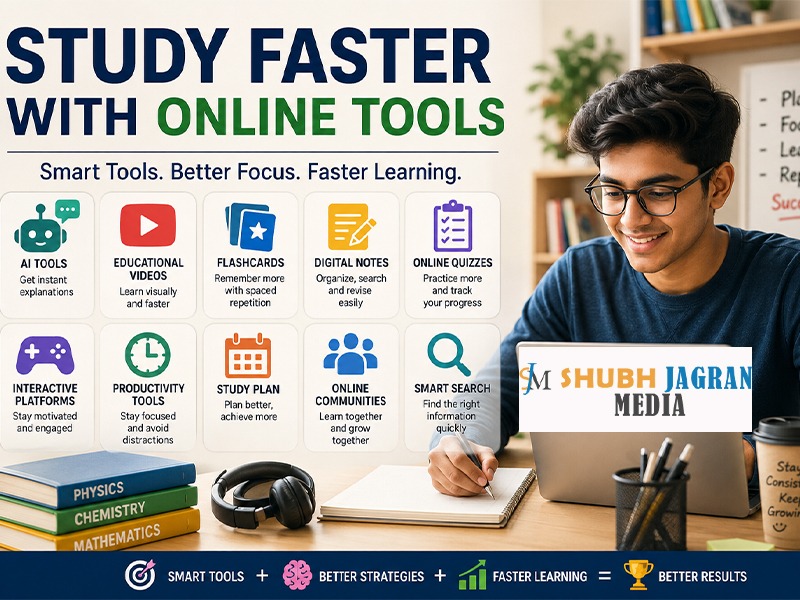
Learning new skills and studying effectively has never been easier. Thanks to the internet, students, professionals, and lifelong learners can access thousands of online tools that make learning faster, smarter, and more enjoyable.
However, simply using online tools is not enough. The key is knowing which tools to use and how to use them correctly. In this article, we’ll explore practical ways anyone can study faster using online tools and improve their learning experience.
1. Use AI Tools for Instant Explanations
Sometimes textbooks and lectures can be difficult to understand. AI-powered tools can explain complex topics in simple language.
Benefits:
- Get quick answers to questions
- Understand difficult concepts faster
- Receive step-by-step explanations
- Learn at your own pace
For example, if you’re struggling with a math formula or a science concept, AI tools can break it down into simple terms within seconds.
2. Watch Educational Videos
Many people learn better by seeing and hearing information rather than reading it.
Platforms like YouTube and educational websites offer:
- Video lessons
- Tutorials
- Animated explanations
- Real-world examples
A 10-minute video can often explain a topic that may take hours to understand from a textbook.
Tip:
Watch videos at 1.25x or 1.5x speed to save time while still understanding the content.
3. Use Flashcard Apps for Better Memory
Remembering information is one of the biggest challenges in learning.
Flashcard apps help by using spaced repetition, a learning technique that shows information at the right time before you forget it.
Benefits:
- Improves long-term memory
- Makes revision easier
- Tracks your progress automatically
- Saves study time
This method is especially useful for learning:
- Vocabulary
- Definitions
- Dates
- Formulas
4. Take Smart Notes Digitally
Instead of writing everything down, use digital note-taking tools.
Good notes should:
- Highlight key ideas
- Use bullet points
- Include summaries
- Contain important examples
Digital notes are easy to search, edit, and organize, making revision much faster.
Pro Tip:
After finishing a lesson, write a short summary in your own words. This improves understanding and retention.
5. Use Online Quizzes and Practice Tests
Testing yourself is one of the fastest ways to learn.
Many online platforms offer:
- Practice quizzes
- Mock exams
- Interactive tests
- Instant feedback
Benefits include:
- Identifying weak areas
- Improving confidence
- Strengthening memory
- Preparing for exams effectively
Instead of rereading notes repeatedly, spend more time practicing questions.
6. Learn with Interactive Learning Platforms
Interactive learning platforms keep learners engaged through:
- Gamification
- Challenges
- Rewards
- Progress tracking
These features make studying less boring and help maintain motivation over time.
When learning feels enjoyable, people naturally spend more time practicing and improving.
7. Use Productivity Tools to Stay Focused
Many students struggle because of distractions rather than difficulty.
Productivity tools can help by:
- Blocking distracting websites
- Setting study timers
- Organizing tasks
- Managing schedules
A popular method is the Pomodoro Technique:
- Study for 25 minutes
- Take a 5-minute break
- Repeat the cycle
This helps maintain concentration and prevents burnout.
8. Create a Personalized Learning Plan
Online tools allow learners to create customized study schedules based on their goals.
A good study plan should include:
- Daily goals
- Weekly targets
- Revision sessions
- Progress tracking
Having a clear plan reduces procrastination and helps learners stay on track.
9. Join Online Learning Communities
Learning doesn’t have to be done alone.
Online communities provide:
- Support from other learners
- Answers to questions
- Study tips
- Motivation and encouragement
Discussing topics with others often improves understanding and exposes you to new perspectives.
10. Use Search Engines Wisely
The internet contains an enormous amount of information, but finding reliable sources is important.
When researching:
- Use trusted educational websites
- Compare multiple sources
- Verify facts before using them
- Save useful resources for future reference
Effective research skills can significantly reduce study time.
Best Practices for Faster Learning
No matter which online tools you use, follow these simple habits:
Focus on Understanding
Avoid memorizing without understanding. Learn the “why” behind concepts.
Practice Regularly
Consistent practice is more effective than cramming.
Avoid Multitasking
Focus on one subject at a time for better results.
Review Frequently
Short revision sessions help move information into long-term memory.
Apply What You Learn
Use knowledge in real situations whenever possible.
Conclusion
Online tools have transformed the way people learn. From AI assistants and educational videos to flashcard apps and productivity tools, there are countless resources available to help learners study faster and more effectively.
The secret is not using every tool available but choosing the right tools for your learning style and using them consistently. By combining smart study techniques with modern online resources, anyone can improve their learning speed, retain more information, and achieve their educational goals more efficiently.
Start with one or two tools, build good study habits, and you’ll soon notice a significant improvement in your learning journey.