Irregular periods are a common problem faced by many women at different stages of life. In some cases, periods are seen to arrive earlier than expected. In other cases, they are delayed or missed for several months. Sometimes, the flow becomes very heavy or very light.
Occasional changes in the menstrual cycle are considered normal. However, when irregular periods happen frequently, they may be linked to health or lifestyle issues. In this blog, the reasons behind irregular periods, common symptoms, and simple ways to manage them are explained in easy language.
What Are Irregular Periods?
A normal menstrual cycle usually lasts between 21 and 35 days. Periods are considered irregular when changes are noticed again and again.
Periods may be called irregular if:
- They come too early or too late many times
- Periods are missed for several months
- Bleeding lasts for more than 7 days
- Bleeding becomes very heavy or very light
Common Reasons Why Periods Become Irregular
1. Hormonal Imbalance
The menstrual cycle is controlled by hormones such as estrogen and progesterone. When the balance of these hormones is disturbed, ovulation may also get affected. Because of this, periods may become irregular.
Hormonal imbalance can be caused by:
- Stress
- Sudden weight gain or weight loss
- Poor sleep habits
- Thyroid-related problems
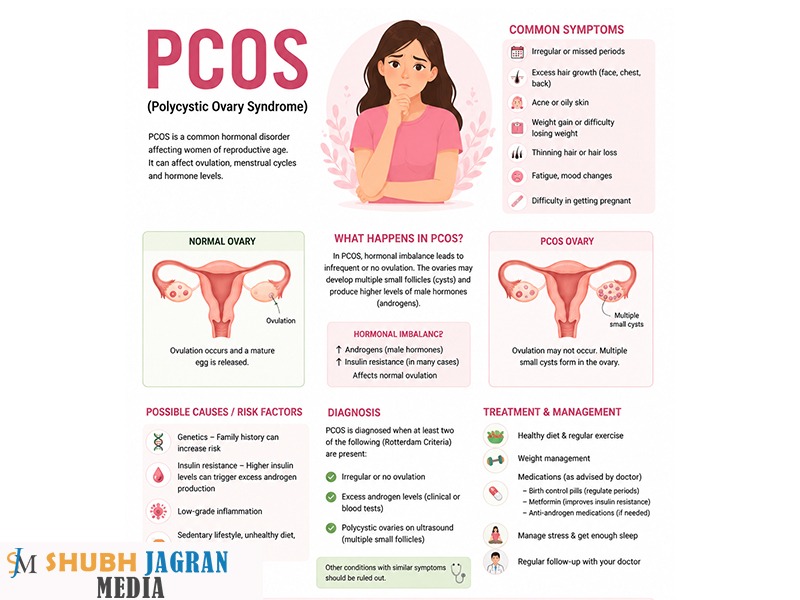
2. PCOS (Polycystic Ovary Syndrome)
PCOS is known to be one of the most common causes of irregular periods. In this condition, hormonal balance is disturbed, and ovulation does not happen regularly.
Women with PCOS may notice:
- Delayed or missed periods
- Weight gain
- Acne or unwanted hair growth
- Difficulty in getting pregnant
3. Stress and Mental Health
Stress is considered one of the major reasons for irregular periods. When the body remains under stress for a long time, a hormone called cortisol is released in higher amounts. Due to high cortisol levels, the balance of female hormones may get disturbed.
When stress continues for many weeks or months, signals from the brain to the ovaries may get affected. Because of this, ovulation may get delayed or may not happen at all. As a result, periods may come late, become irregular, or stop for some time.
Mental health issues such as anxiety, depression, overthinking, and poor sleep can make the situation worse. During stressful phases of life, delayed or missed periods are often noticed.
When stress is reduced through proper rest, light exercise, relaxation practices, and a healthy routine, hormonal balance can slowly improve.
4. Sudden Lifestyle Changes
The menstrual cycle works best when the body follows a regular routine. Sudden changes in daily habits can confuse the body’s natural cycle and lead to irregular periods.
Lifestyle changes that can affect periods include:
- Intense exercise: Very heavy or hard workouts can increase stress in the body and reduce body fat, which may delay or stop ovulation.
- Crash dieting: Very low food intake or sudden weight loss can reduce the nutrients needed for hormone balance.
- Frequent travel: Changes in time zones and daily routines can disturb the body clock.
- Irregular sleep patterns: Poor or disturbed sleep can affect hormone control and delay periods.
When a balanced diet, moderate activity, and regular sleep routine are followed, menstrual health is usually supported.
5. Thyroid Problems
Thyroid problems are also linked with irregular periods. The thyroid gland controls body functions such as energy use and also affects female hormones.
Both types of thyroid problems can disturb periods:
- Underactive thyroid: Periods may become late, heavy, or may stop
- Overactive thyroid: Periods may become light, short, or skipped
Other signs such as tiredness, weight changes, hair fall, mood changes, and appetite changes may also be noticed. With proper medical care, menstrual cycles often become regular again.
6. Pregnancy or Breastfeeding
Missed or irregular periods can be an early sign of pregnancy. During pregnancy, hormone levels increase to support the baby, and periods stop naturally.
Breastfeeding also affects periods. A hormone released during breastfeeding helps in milk production and reduces ovulation. Because of this, periods may not return for several months after childbirth.
This change is considered normal. Once breastfeeding is reduced or stopped, periods usually return to a regular pattern over time.
7. Birth Control Pills or Emergency Pills
Hormonal pills used to prevent pregnancy can temporarily affect the menstrual cycle. When such pills are started or stopped, the body needs time to adjust.
During this adjustment period:
- Periods may become late or irregular
- Light bleeding or spotting may be seen
Emergency pills contain a high amount of hormones, which can strongly affect ovulation. Because of this, the next period may come earlier or later than expected.
In most cases, cycles return to normal within a few months. Frequent use of emergency pills is not advised.
8. Perimenopause
Perimenopause is the phase before menopause and usually starts in the late 30s or 40s. During this time, hormone levels begin to change slowly.
Because of these changes:
- Ovulation may not happen regularly
- Periods may become late, skipped, heavy, or light
Other symptoms such as hot flashes, sleep problems, mood changes, tiredness, and weight changes may also be noticed. These changes are a natural part of aging.
Symptoms That May Come With Irregular Periods
Irregular periods may be accompanied by:
- Missed periods
- Heavy or very light bleeding
- Strong cramps
- Mood changes
- Fatigue
- Acne or hair fall
How to Make Periods Regular Naturally
In many cases, irregular periods can be improved with simple lifestyle changes.
- Maintain a Healthy Weight
Both low and high body weight can disturb hormones. A balanced diet and regular light exercise help the body stay healthy.
- Manage Stress
Stress reduction is important. Yoga, meditation, deep breathing, and light physical activity can help calm the mind and support hormonal balance.
A healthy diet supports hormone function. It should include:
- Iron-rich foods
- Fresh fruits and vegetables
- Whole grains
- Healthy fats
Sleep Well
About 7–8 hours of quality sleep is needed every night. Poor sleep can disturb the body clock and affect periods.
When Should You See a Doctor?
Medical advice should be taken if:
- Periods remain irregular for more than three months
- Bleeding becomes very heavy or lasts longer than 7 days
- Periods stop suddenly without a clear reason
- Severe pain, weakness, dizziness, or other unusual symptoms are noticed
Early checkups help find the cause and allow timely care.
Medical Disclaimer
This article is written for information only. It is not meant to replace medical advice. A qualified healthcare provider should always be consulted for proper diagnosis and treatment.
Final Thoughts
Irregular periods are common, but they should not be ignored. When the cause is understood early and small lifestyle changes are followed, menstrual health can often be improved naturally. Taking care of the body and mind plays an important role in maintaining a regular cycle.